MICHAEL ALEXANDER CAMPBELL: HEROES, VILLAINS AND OTHER TOYS
Plaza de San Nicolas 2, Madrid
January 15 - February 19, 2026

Villa Magdalena is pleased to announce Michael Alexander Campbell: Heroes, Villains, and other Toys, opening on Thursday, January 15, 2026 at the gallery’s Madrid location. This presentation marks the artist’s first solo exhibition in Spain.
Organized in collaboration with Tamburini Projects, on view will be Campbell’s new suite of paintings created last summer at Tamburini Projects’ residency in Florence, Italy. The title of the presentation alludes to literary archetypes while the ending, “Other Toys”, introduces a personal element revealing the artist’s post-ironic humor and a suggestion of process rooted in contemporary life.
Campbell begins most of his paintings with images ranging from his own highly orchestrated photography, to screenshots found while browsing social media. He alters these points of departure until only their underlying structure remains. An inherited geometry persists while the subject matter dissolves and becomes more open to interpretation. Luminous, often psychedelic color harmonies sit within passages of both explosive, and classical brushwork. Working within the oil painting tradition, the work feels simultaneously raw and refined, expressive but precise. His paintings evoke the endurance of myth: narratives that remain legible because of a thematic consistency with previous iterations from different sources or authors even as the characters in the current settings change.
“I can’t preconceive of things, otherwise I will make bad work”. The use of a camera is related to having the freedom to paint whatever he wants: a tool which channels the artist’s stream of consciousness and an instinctual gaze but also something that has disciplined his way of seeing the world. Campbell’s photographs of his immediate surroundings and appropriated imagery from mundane sources have paved the way for a mode of pictorial construction with a wide variety of subjects and compositional arrangements. Nonetheless, these forms almost always lose their contours and inherit something else along the way. The tension between the original subject matter and the transformative gestures which occur during the act of painting constitute a multiplicity or vulnerability of form. Campbell boils down shapes to irreducible states that are both unrecognizable and simultaneously able to a evoke a variety of associations and emotional states depending on the viewer.
When confronted with the selection of works on view the prominent use of shadows in the artist’s most recent oeuvre becomes a conspicuous element that is hard to ignore. These shadows introduce a nuanced formal element to Campbell’s vocabulary but more importantly they are charged with symbolism and metaphor as they act as portals which stretch the picture plain into otherworldly dimensions. It represents yet another layer which heightens the artist’s unstable mise-en-scènes. Campbell’s rendering of shadows become silhouettes that have their own separate autonomy. One sees how in some cases it becomes evident that they do not accurately match the real objects which are responsible for their existence, suggesting other spectral forms of life.
The son of British and Scottish teachers, Campbell moved to Switzerland as a child and grew up in the Engadine valley close to the Italian border. His exposure to the pedagogical practice of his parents have led to a literary sensibility in his paintings which constantly draw inspiration from fairytales and classical stories. Perhaps it is no coincidence that his parents moved to this alpine region; after all it was frequently visited by Friedrich Nietzsche (the birthplace of seminal texts of Western Philosophy such as Thus Spoke Zarathustra and Beyond Good and Evil) and Thomas Mann’s masterpiece The Magic Mountain was written in a valley close by in Davos. All of this baggage has led to a critical lens which informs Campbell’s narrative compositions by allowing him to mythologize his surrounding environment and quotidian elements which might otherwise seem quite unremarkable by nature.
Michael Alexander Campbell (b. 1999, Cambridge, UK) lives and works in New York. He studied Fine Art at Lancaster University (UK). Solo exhibitions include Luce Gallery, Turin (2025) and Casa del Popolo, New York (2025). He has also completed residencies with Tamburini Projects, Florence (2025), the Edelman Glion Summer Residency, Switzerland (2025) and at Palazzo Chupi, New York (2023).
INSTALLATION VIEWS
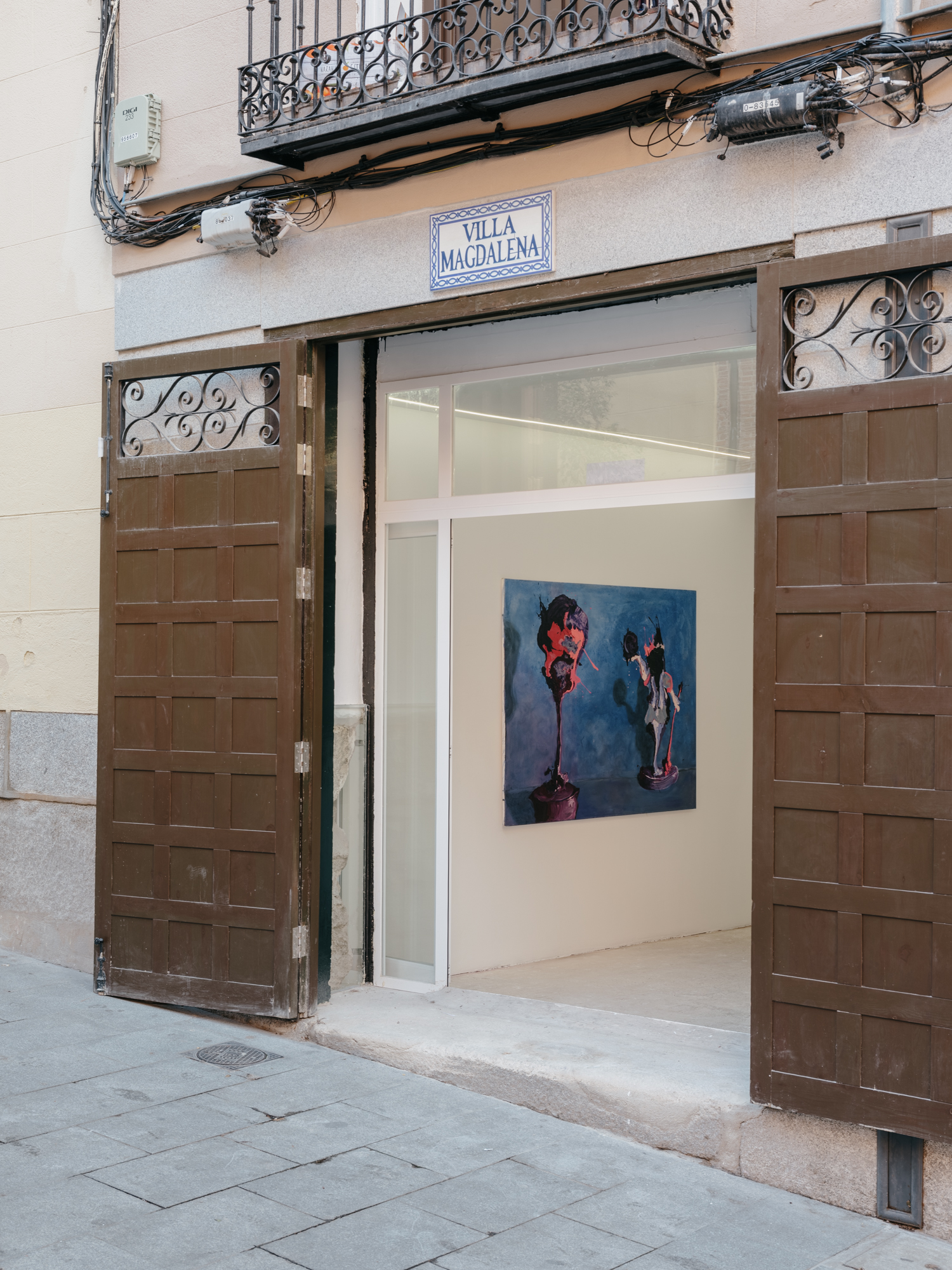
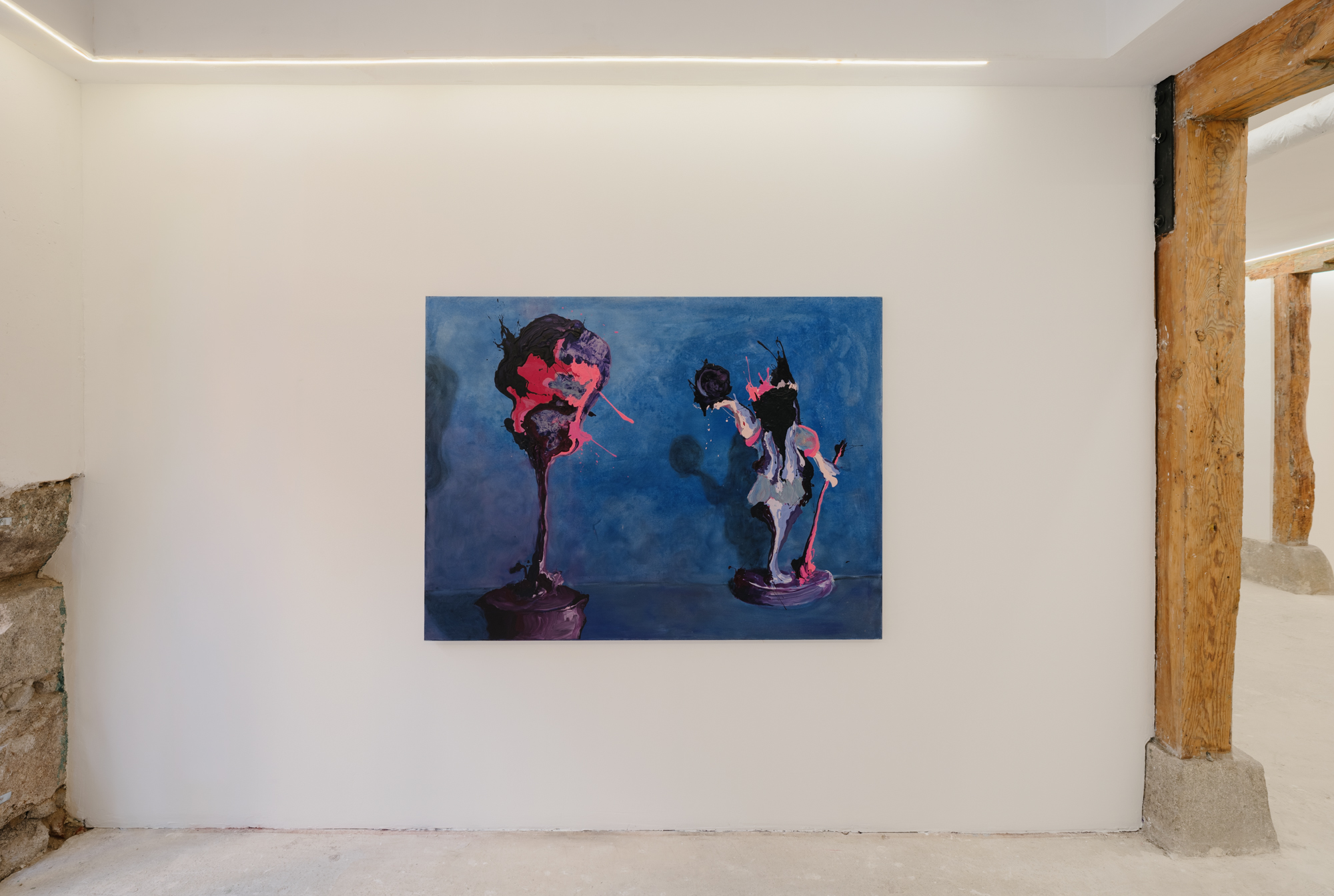
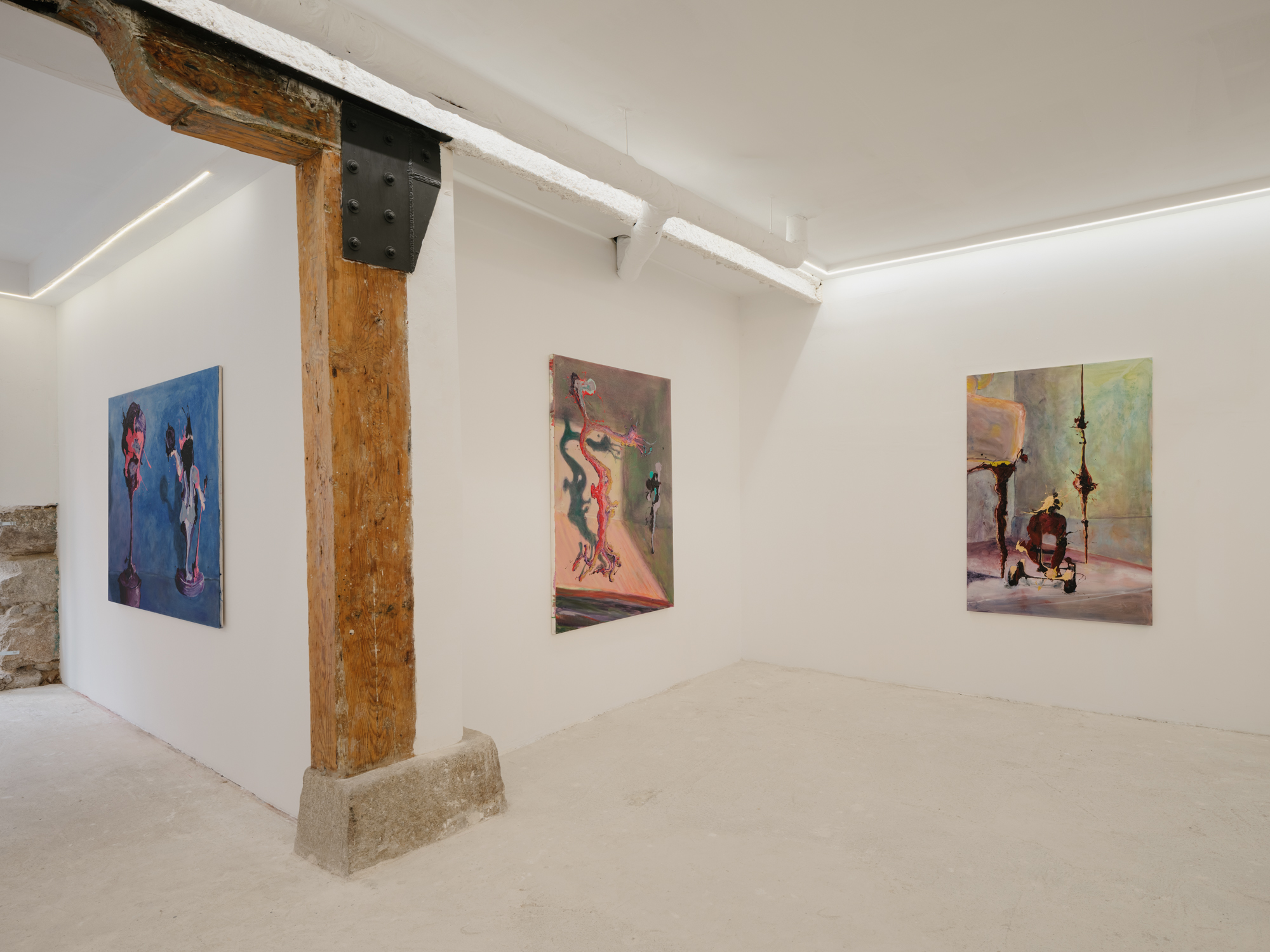
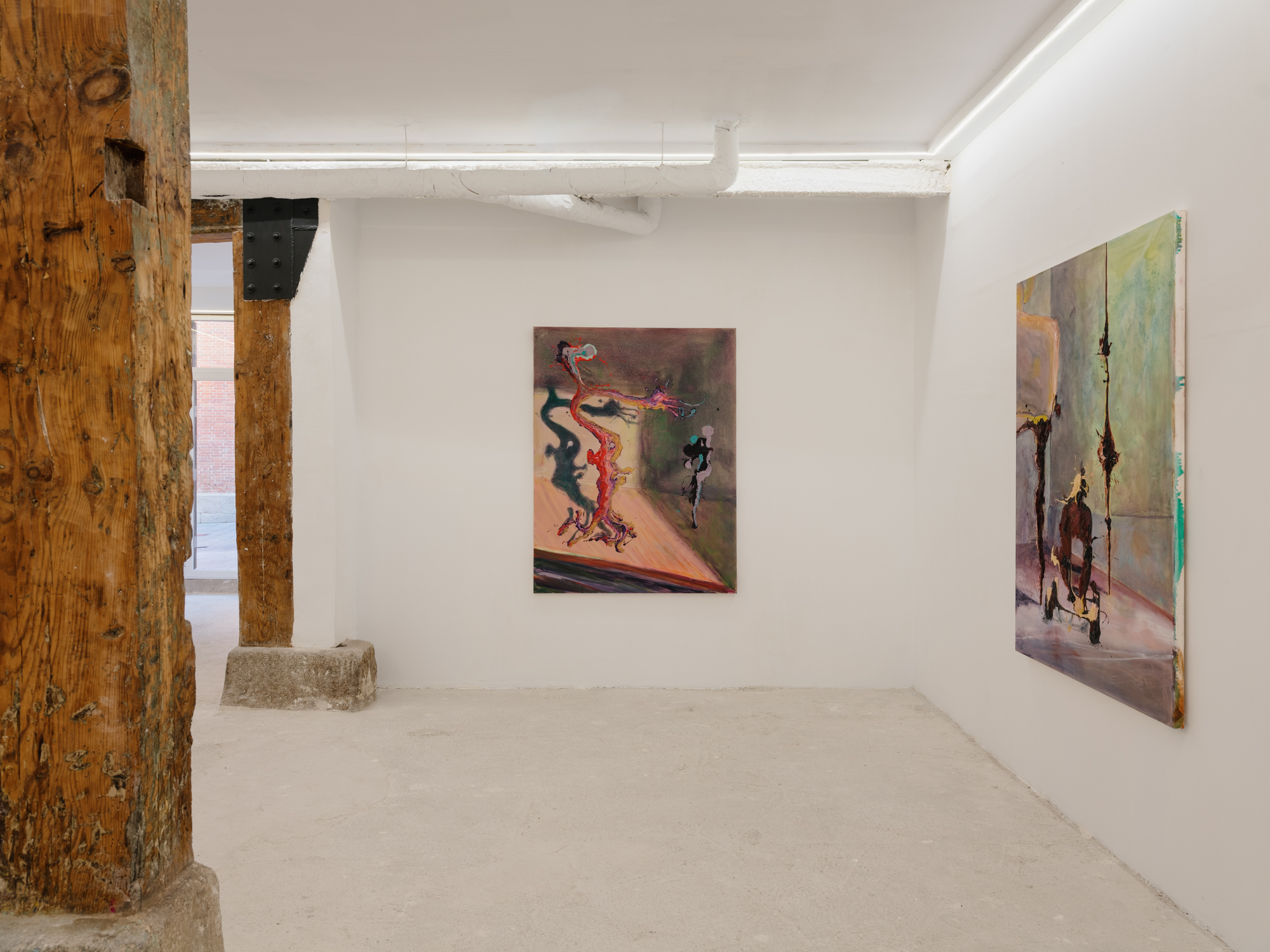
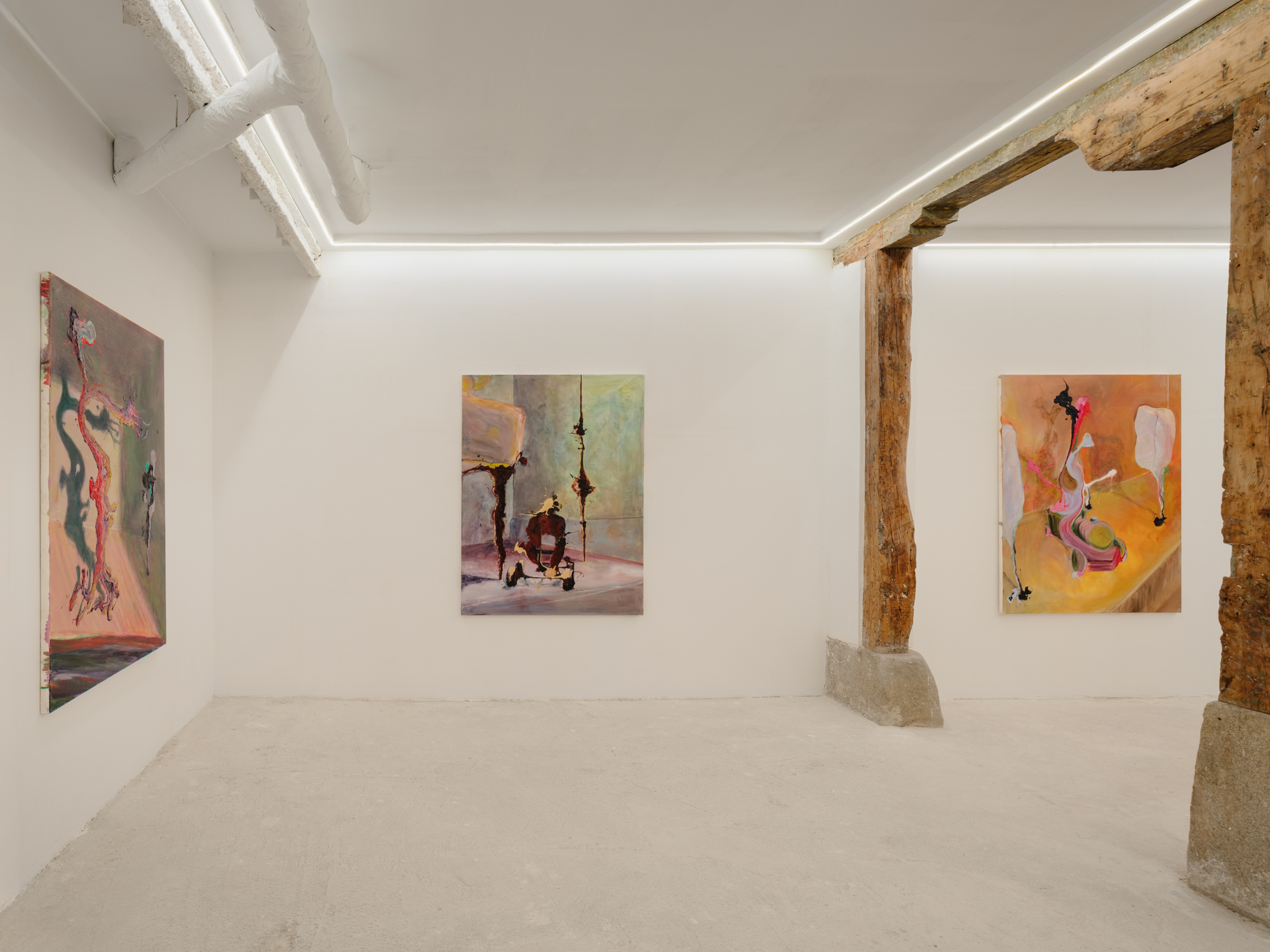
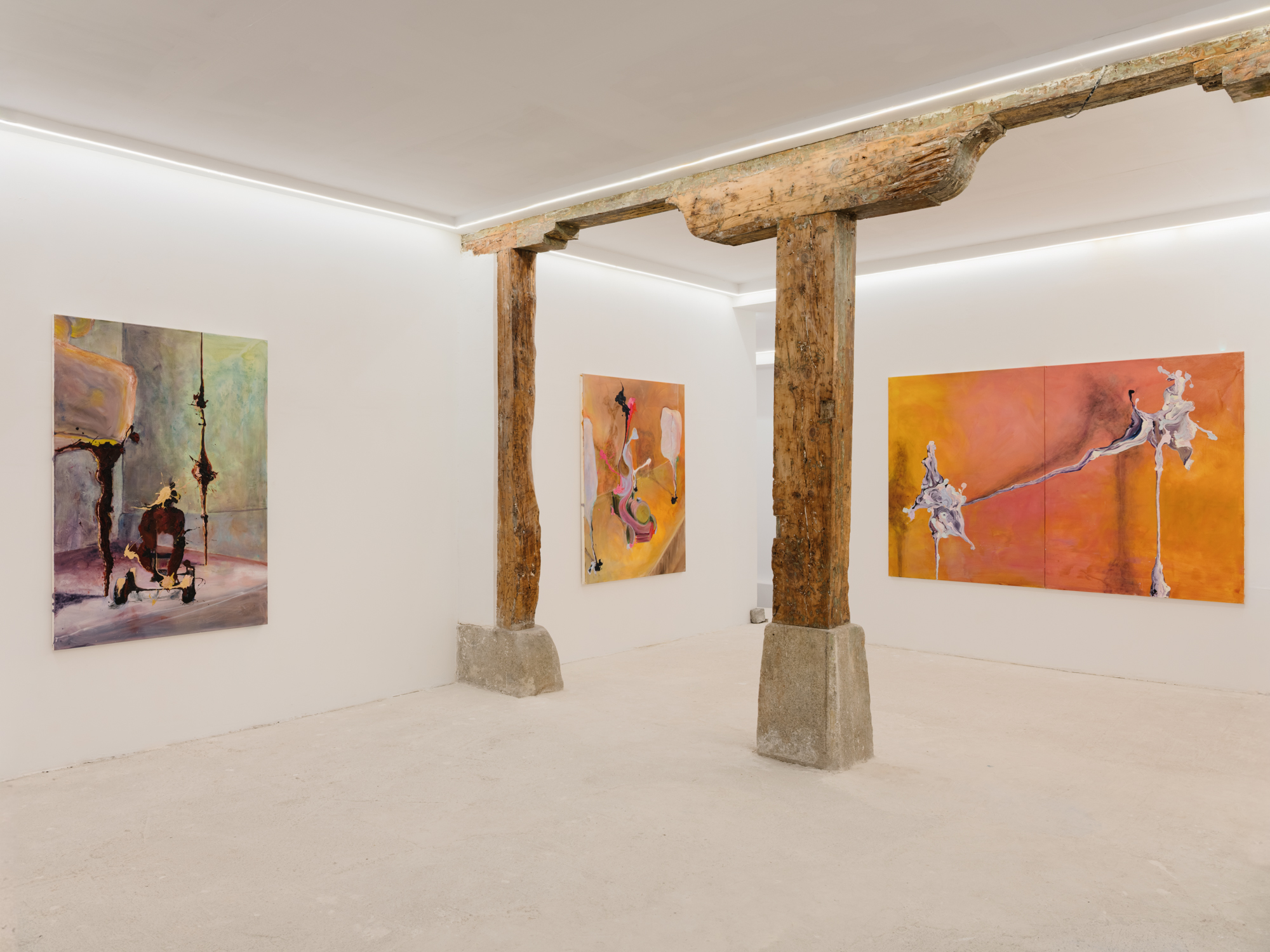
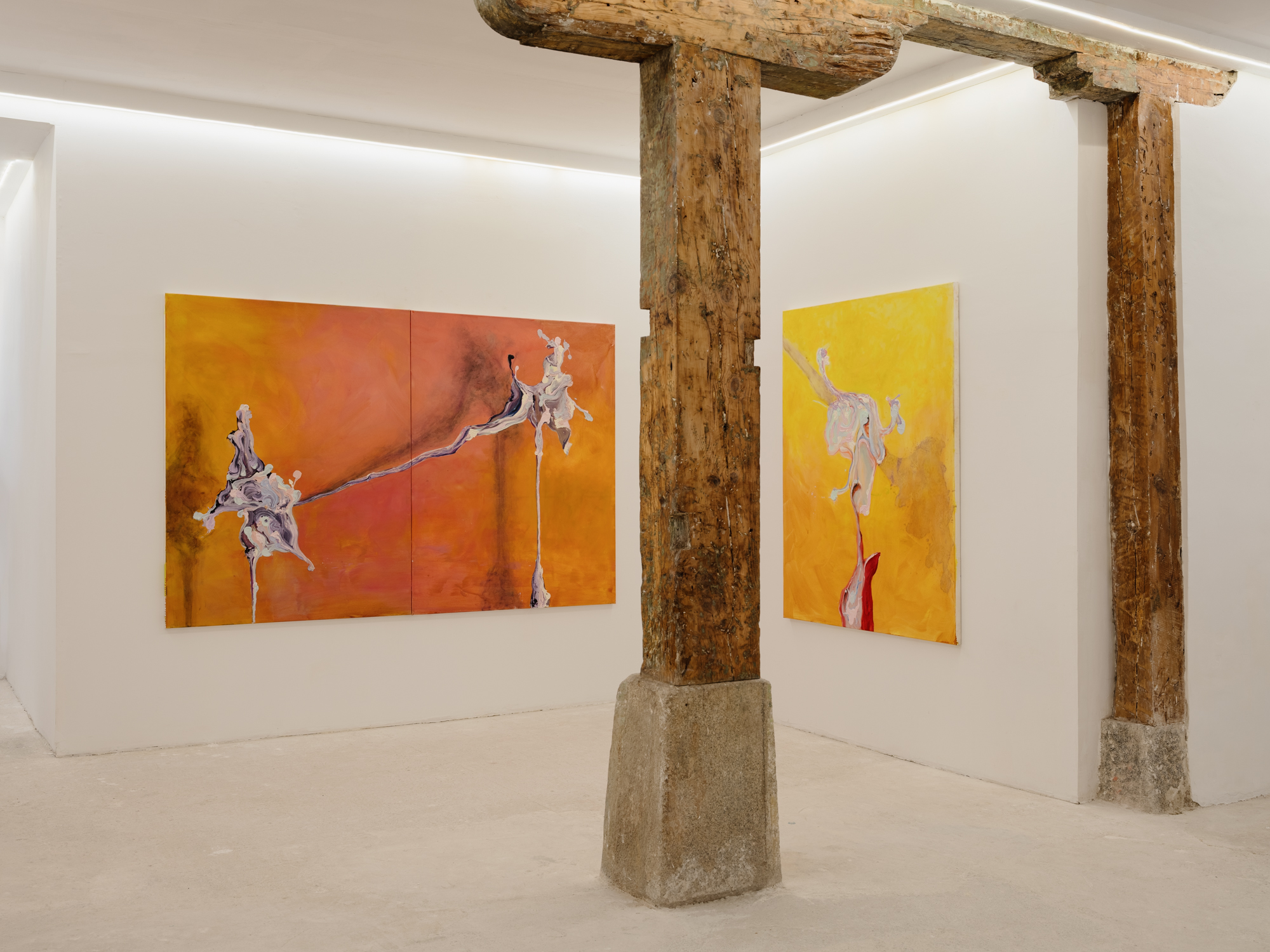
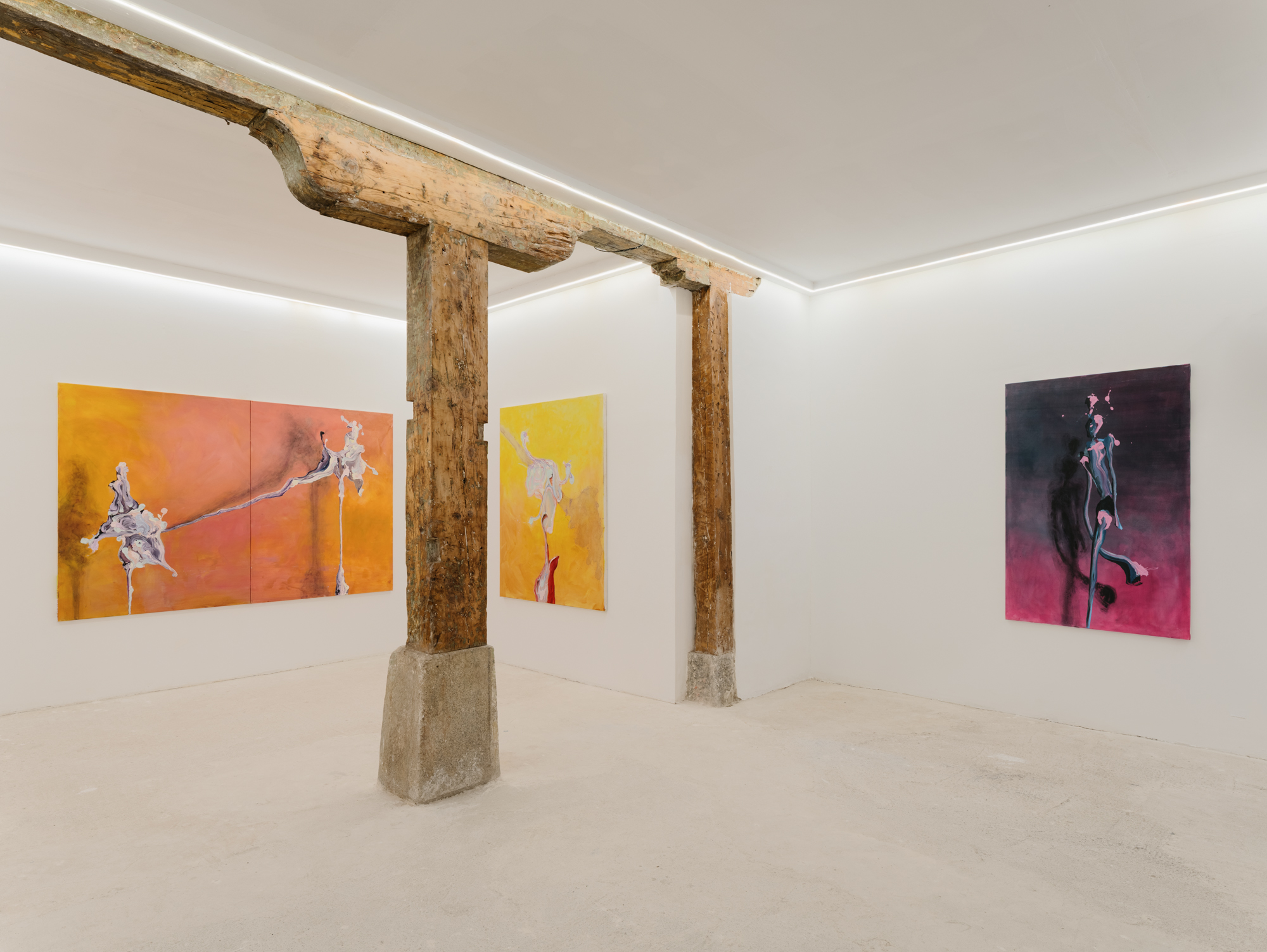
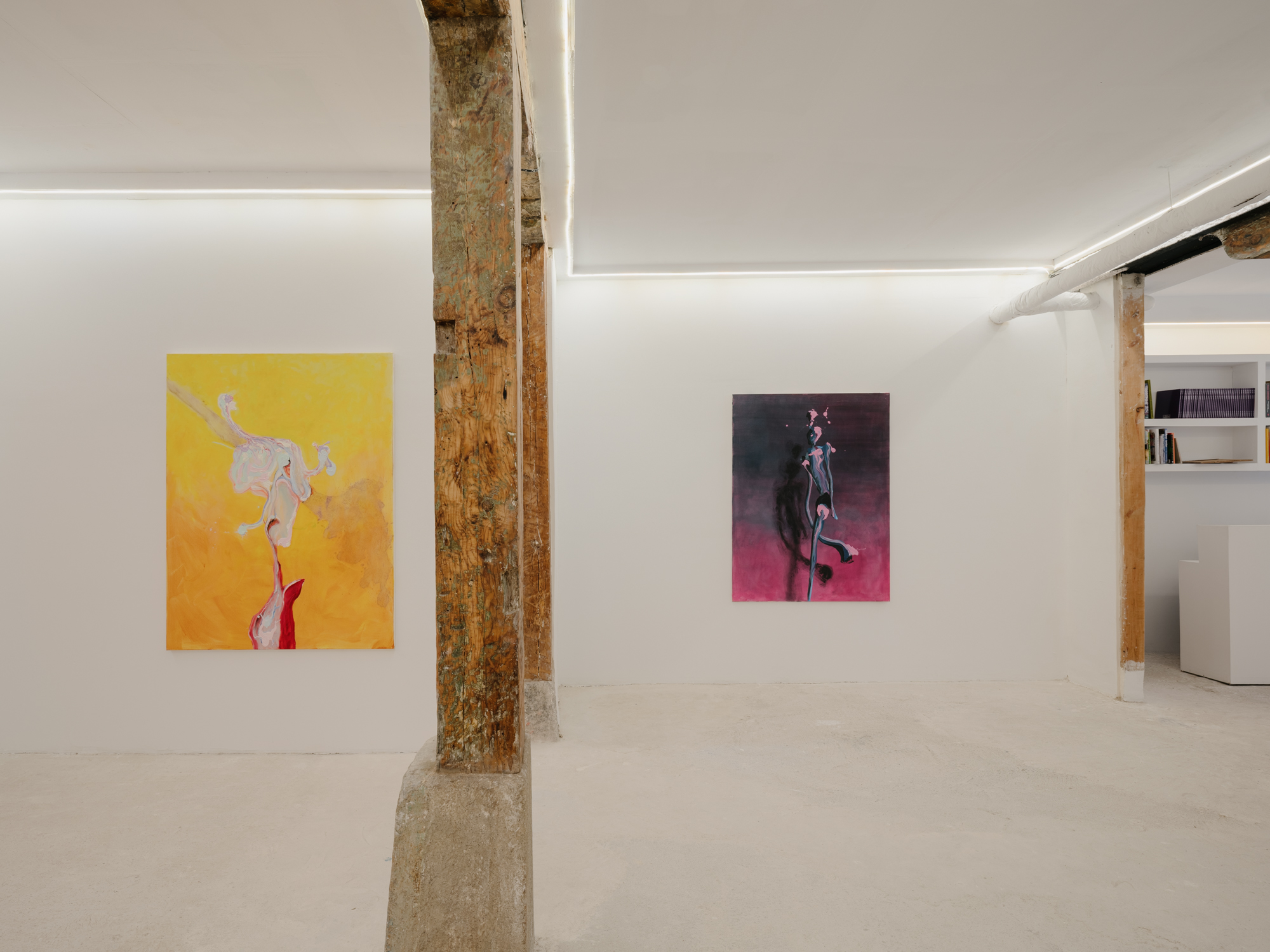
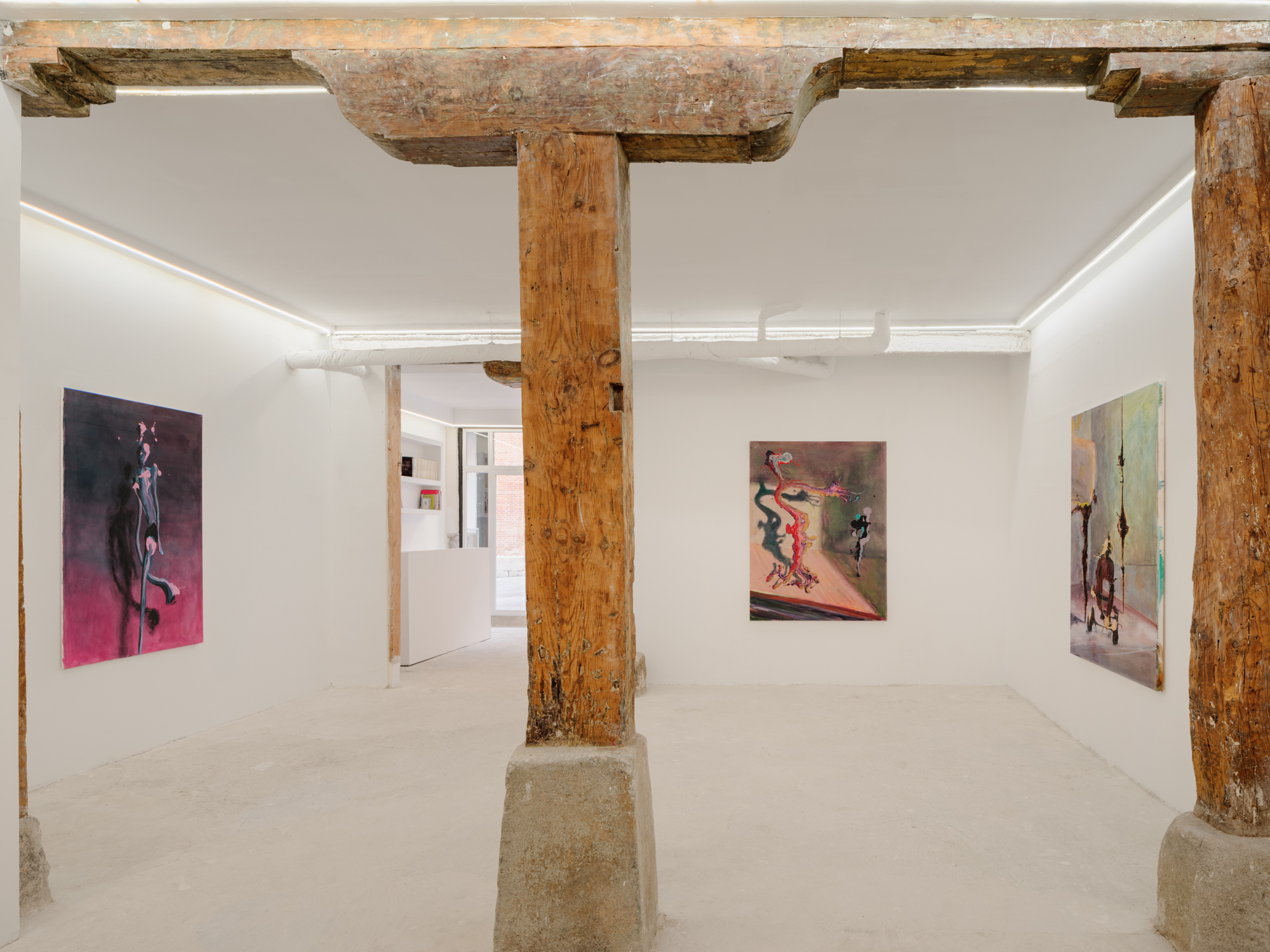
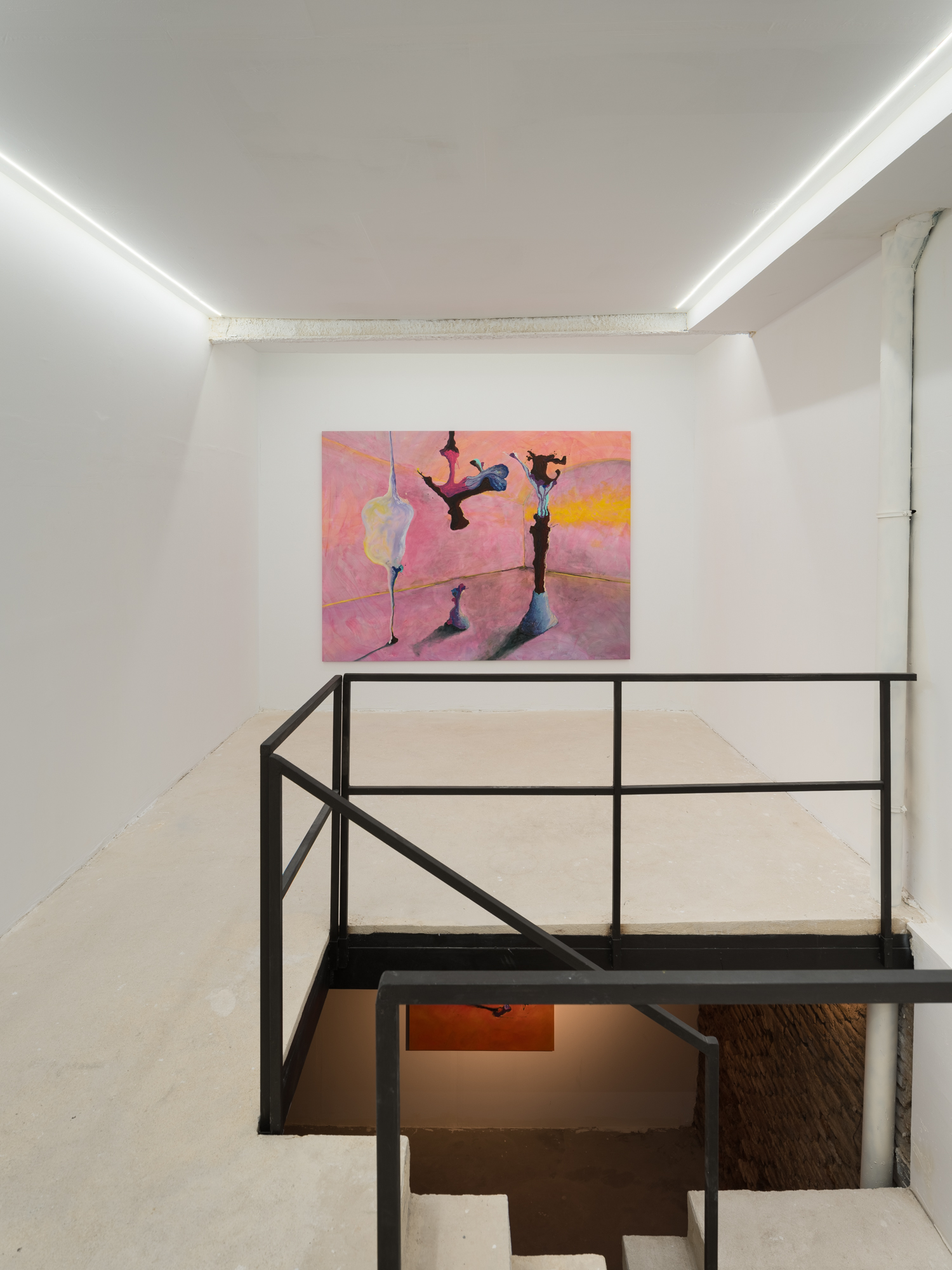
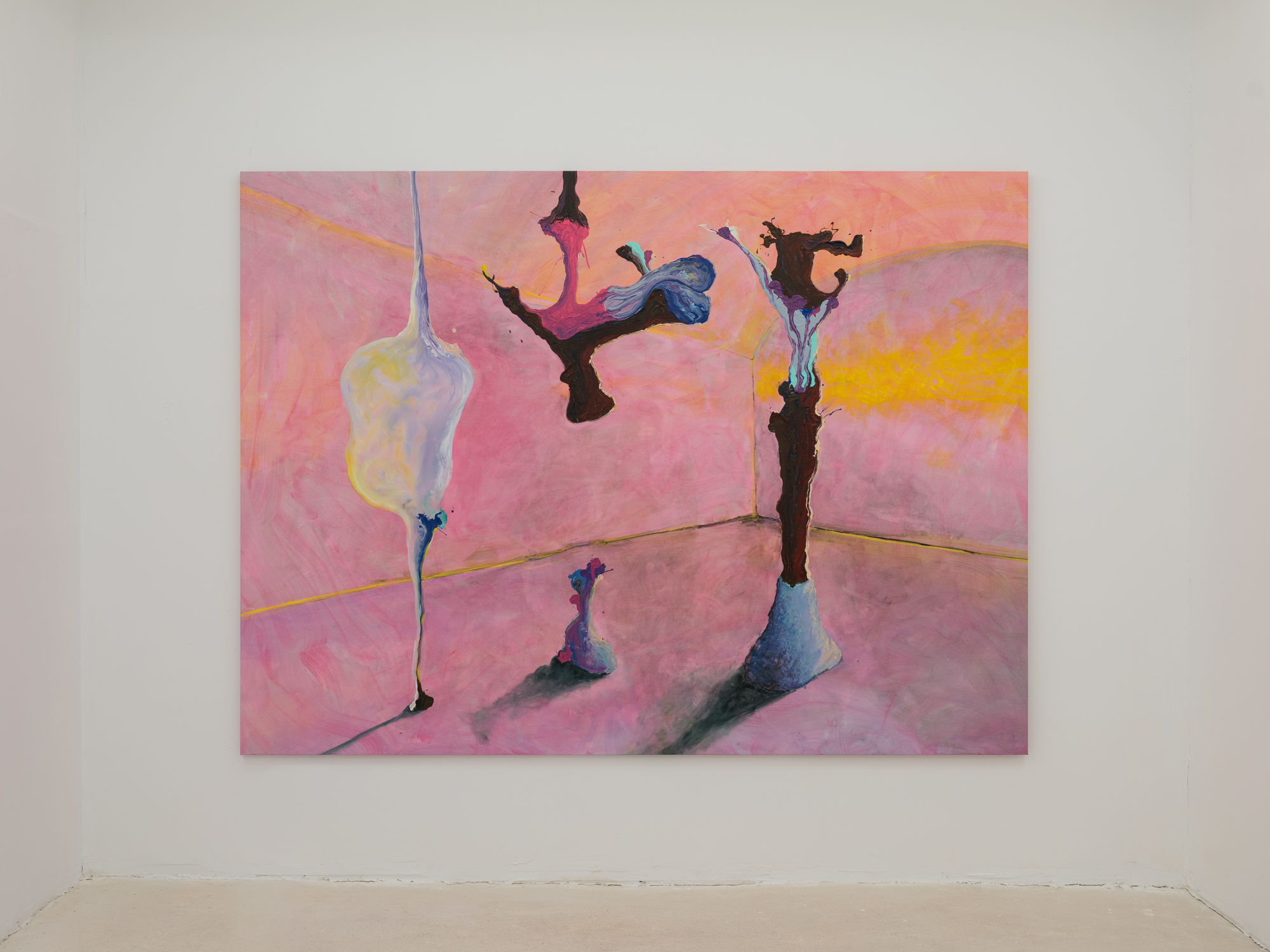
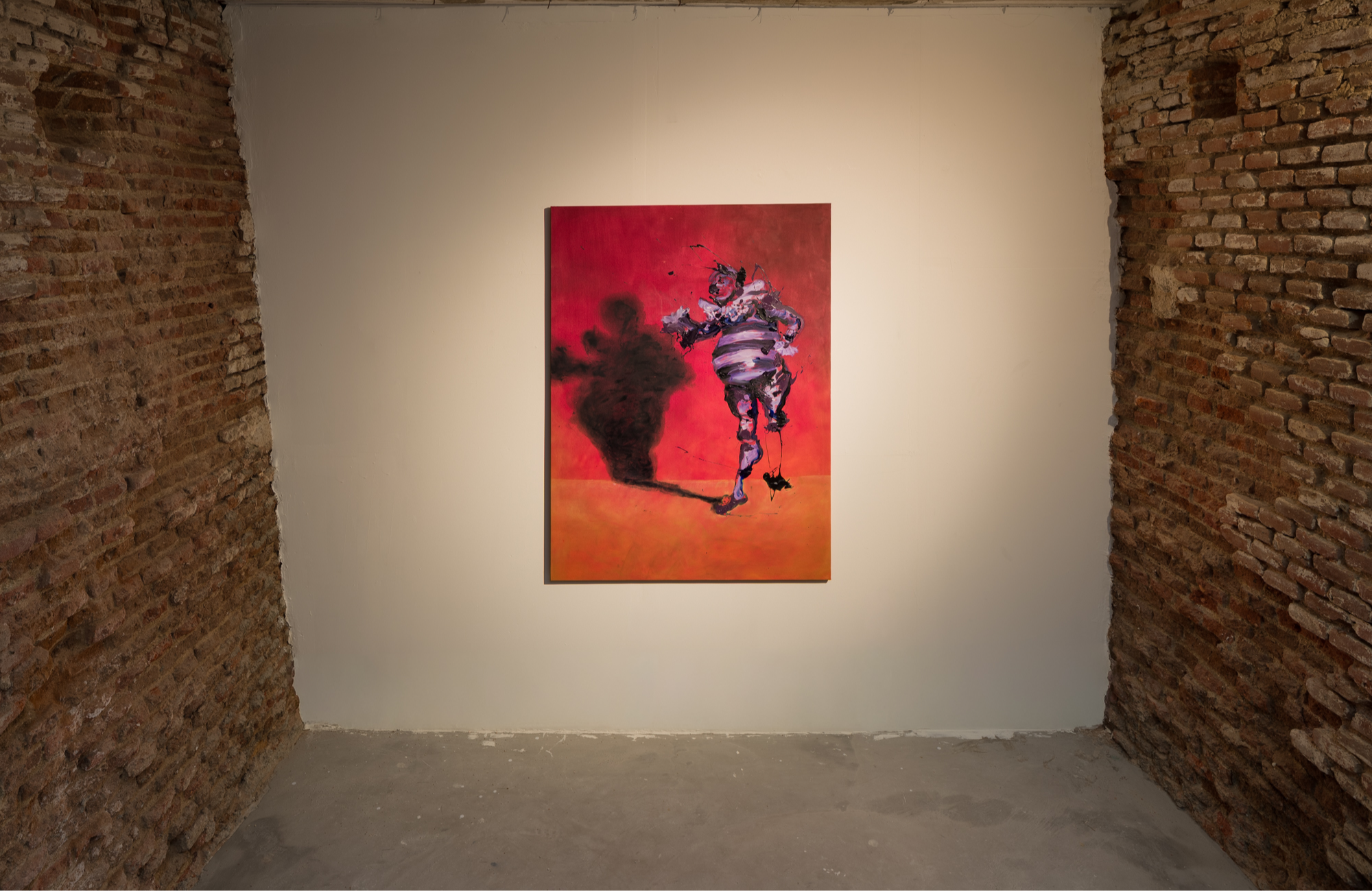
Views of the exhibition: Michael Alexander Campbell: Heroes, Villains and other Toys, Villa Magdalena, Madrid. Photography: Pablo Gómez-Ogando
FEATURED WORKS


Michael Alexander Campbell
Sculpture Studio in Pietrasanta
2025
Oil on canvas
200 x 270cm (79 x 106 inches)
Michael Alexander Campbell
Leo's Lunch at Casalinga
2025
Oil on canvas
Diptych: 170 x 260 cm (67 x 102 inches)

Michael Alexander Campbell
Il Santino
2025
Oil on canvas
170 x 130cm (67 x 51 inches)

Michael Alexander Campbell
A Shop on Via Maggio
2025
Oil on canvas
170 x 130cm (67 x 51 inches)

Michael Alexander Campbell
New York Charity Shop Safari I
2025
Oil on canvas
170 x 130cm (67 x 51 inches)